The article we read helped us make inferences about NZ history through images that were taken a long time ago. After reading the text we worked collaboratively and used our inferring skills to think about what was happening in the photo and behind the scenes.
Tuesday, 9 June 2020
Inference
LI:To infer information using clues in the image and our prior knowledge to explain what might be happening.


6 Photos
LI: To use clues in the text and your own knowledge to infer the story behind the picture.
DLO link
This week we had a new reading task it was to infer images and answer the question under the photo. The photos we inferred were found in a book called 6 photos witch had 6 different photos from New Zealand and were taken around 1980. Some of the questions were about what was the first thing that we noticed or was most obvious to see or why we think that the photo was taken.
What is inference?
inference is when you try to figure out what is going on in a photo or scene without a given description of what they are actually doing. We inferred 6 different photos and we recorded our answers on our DLO
Current events
L.I To find articles that's happening around the world.
I collaborated with Liletina for this task. We both worked amazing and found some really good articles. We used our knowledge and our reading skills to find more about the articles we are reading about. Some of these articles were really sad and some were really funny. The article that I found the most odd one was that a women got fined for taking a turtle to work.
Friday, 5 June 2020
PBS Live stream Assembly
LI: To write about our livestream assembly
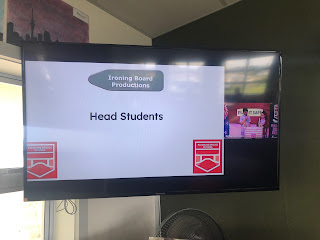
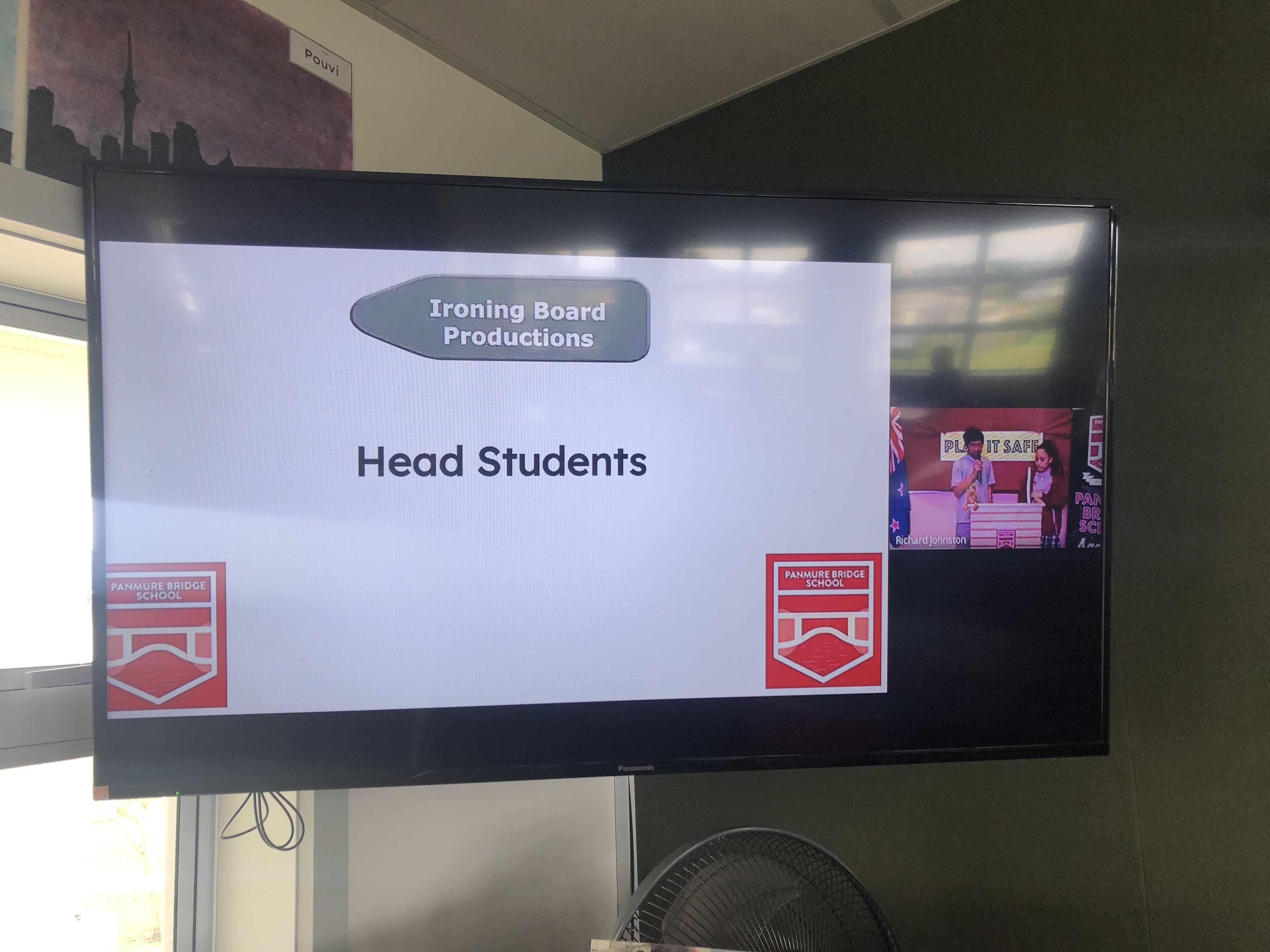
This is our 7th online assembly due to lockdown, this also help all the students in Panmure Bridge come together on line. We a have them every friday, they are orginazied by Mr Johnston, Mrs Kirkpatrick, and Mrs Pride. We are stilling have them online due the social distancing. in these assemblies people earn badges and certificates.
Food Technoledgy/Hot Cakes
LI: To follow a recipe to make hot cakes


This week for food technology we made banana hot cakes with a berry sauce and some ice-cream by following Mrs Hekas instruction through out this session.. We worked in pairs with Fau to make the hot cakes.


Ingredients:
1 cup flour
1 cup sugar
2 eggs (if needed)
2 tbsp of margarine butter
3/4 of milk
1 banana (mashed)
We used a large bowl it put our flour ans sugar in and in a medium sized bowl we put in our milk and egg, we beat them together using our whisk. We then mashed our banana. Then we mixed our egg and milk with the flour and milk with our mashed banana and mixed until it was a good consistency we added 1 more egg so that it was more thin. We then used our spatula to get a little bit of butter onto our pan. we then poured all of our batter into a measuring cup, then we poured 3 portion of the batter to create our hot cakes.
For our blueberry sauce we poured 1 cup of blueberries into a small pot with a bit of sugar and 4 tbsp of water. and then waited until all the juice of the blueberries is drained out and then mashed them together. Me and Fau had 6 pancakes each and put some vanilla ice-cream on top with our berry sauce.
Thursday, 4 June 2020
City scape of Paris
LI: To write a description about your cites using prepositions.

My landscape is of Paris. The main building in the skyline is the Eiffel Tower. To the left of my skyline stands Sacré-Cœur and on the end of my skyline is a building called Arc de Triomphe. It was built to commemorate Napoleon's victories. As strange as it may seem you can actually live in the Eiffel Tower, as there is an apartment at the top level of the tower!
Did you know that Paris is known as the city of lights because Paris was one of the first large European cities to use gas as lighting on a large scale. When creating my background I blended in cool colors using our chalk pastels. I used the colors green, blue, and purple adding a shade of black to darken the tone.
Using Exponents
LI:To understand the exponent of a number says how many times to use the number in a multiplication.

This week we were learning about exponents. Exponents are useful because the expample in our DLO shows that it is easier to write 3x3x3. Exponents tells us how many times we need to multiply a number. This DLO shows how we used our knowledge of exponents to collaboratively share our thinking
Subscribe to:
Posts (Atom)